
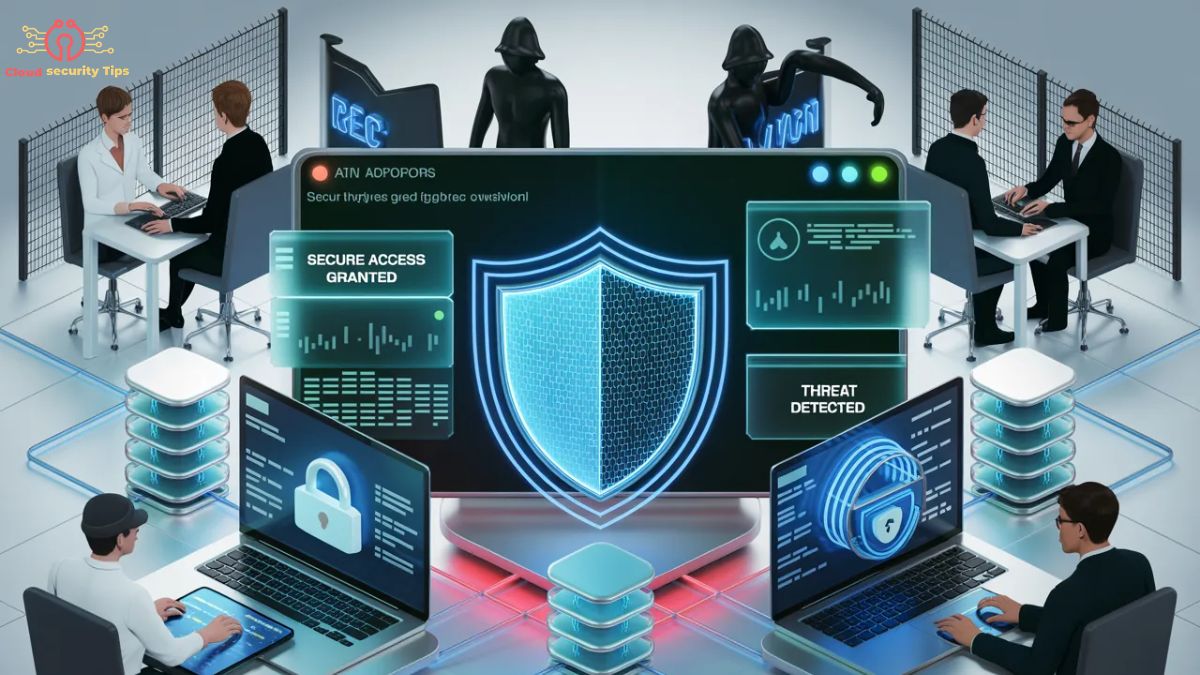
In today’s digital age, cybersecurity is essential for everyone, whether you are an individual, a business owner, or part of a government organization. Cybersecurity involves protecting computers, networks, programs, and data from unauthorized access, attacks, or damage. With the rise of online transactions, cloud storage, and remote working, the need to secure sensitive information has never been greater.
Cybersecurity extends beyond mere technology—it also depends on well-trained people and effective organizational processes Without proper training and clear policies, even the best security tools can fail. It ensures that personal information, business data, and national infrastructure remain safe from cybercriminals and hackers.
What is Cybersecurity?
Fundamentally, cybersecurity involves safeguarding systems and sensitive data against digital threats and malicious attacks.These attacks can range from stealing personal information to disrupting business operations or national services. A strong cybersecurity framework combines technology, policies, and human awareness to reduce risks and protect valuable data.
Understanding cybersecurity is crucial because cyber threats are evolving constantly. Hackers are using advanced techniques like AI-driven attacks, ransomware, and social engineering, making it essential to adopt a proactive security strategy.
The Importance of Cybersecurity
Protecting personal data is the most immediate reason for cybersecurity. Identity theft, phishing emails, and data breaches are common ways attackers can compromise private information. By following strong security practices, individuals can prevent unauthorized access to their devices and online accounts.
For businesses, cybersecurity protects sensitive financial information, trade secrets, and customer data. A single breach can damage a company’s reputation, result in legal penalties, and cause massive financial loss.
On a larger scale, cybersecurity is crucial for national security and infrastructure protection. Power grids, transportation networks, and government systems depend on secure networks. Cyberattacks on these systems can have severe consequences, affecting millions of people.
Types of Cybersecurity

Cybersecurity is a multi-layered approach that covers several areas:
- Network Security: Protects internal networks from unauthorized access, malware, and other threats using tools like firewalls, VPNs, and intrusion detection systems.
- Cloud Security: Secures cloud-based services and storage, preventing data breaches and leaks.
- Application Security: Ensures software is free from vulnerabilities, guarding against attacks like SQL injection and cross-site scripting.
- Endpoint Security: Safeguards devices connected to the network, including laptops, smartphones, and IoT devices.
- Identity and Access Management (IAM): Controls who can access data and systems, using tools like multi-factor authentication and password management.
Common Types of Cyber Threats
Cyber threats appear in many forms, each carrying its own distinct set of risks.
- Malware: Malicious software like viruses, Trojans, and worms designed to damage or exploit systems.
- Phishing attacks are fraudulent attempts where cybercriminals trick people into revealing sensitive information through fake emails, websites, or messages, often imitating trusted sources.
- Ransomware: Malicious software that encrypts files or entire systems, holding them hostage until a ransom is paid
- SQL Injection: A technique where attackers inject malicious code into databases through vulnerable websites.
- Man-in-the-Middle (MITM) Attacks: Attackers secretly intercept communication to steal information.
- Distributed Denial-of-Service (DDoS) Attacks: Overwhelms systems with traffic, making services unavailable.
- Social engineering involves tricking people into disclosing confidential information by exploiting trust or using deceptive tactics.
Latest Cybersecurity Threats

As technology advances, new threats emerge:
- AI-Powered Cyber Attacks: Hackers use artificial intelligence to automate and scale attacks, making them faster and more difficult to detect.
- Emotet Malware: A sophisticated banking malware spread via email attachments, designed to steal data.
- Dridex Malware: Targets financial information, often resulting in significant monetary losses.
- Romance Scams & Social Fraud: Criminals exploit emotions to trick victims into sharing money or personal information.
- Supply Chain Attacks: Attackers infiltrate weaker systems connected to larger networks to access critical data.
Key Components of Cybersecurity
Cybersecurity relies on a combination of people, processes, and technology:
- People: Employees must understand threats and follow best practices to prevent breaches.
- Processes: Well-defined procedures for risk management, data handling, and incident response improve security.
- Technology: Firewalls, antivirus software, encryption, and AI-driven monitoring tools form the backbone of technical security measures.
- Risk Management: Identifying, analyzing, and mitigating potential risks is essential for both individuals and organizations.
- Incident Response: Having a rapid response plan minimizes damage when a cyberattack occurs.
Cybersecurity Best Practices
Protecting yourself online involves simple yet effective habits:
- Use Strong Passwords and Password Managers: Avoid easy-to-guess passwords and use password managers for security.
- Enable Two-Factor Authentication (2FA): Adds an extra layer of protection beyond passwords.
- Keep Software Updated: Regular updates patch vulnerabilities that attackers could exploit.
- Avoid Suspicious Links and Emails: Be cautious with unknown emails, attachments, or messages.
- Regular Data Backups: Keep copies of your important files to prevent loss during attacks.
Cyber Safety Tips for Individuals
Individuals can also take proactive steps to improve online safety:
- Secure Your Devices: Install antivirus software, enable firewalls, and keep systems updated.
- Use VPN on Public Wi-Fi: Encrypts your data when using public networks.
- Monitor Online Accounts: Regularly check bank accounts, emails, and social media for unusual activity.
- Protect Personal Information: Avoid sharing sensitive details publicly or on untrusted platforms.
Cybersecurity for Businesses
Businesses face unique challenges and must adopt a comprehensive security strategy:
- Employee Training: Staff should be educated on cybersecurity risks and safe online practices.
- Data Protection Policies: Clear policies help secure sensitive company and customer data.
- Security Monitoring Systems: Intrusion detection, antivirus software, and endpoint protection are vital.
- Zero Trust Security Model: Assume no one is trusted by default; every user and device must be verified.
Common Cybersecurity Myths
It’s important to separate facts from myths:
- “Strong Password is Enough”: Passwords alone cannot protect against modern attacks.
- “Small Businesses Are Safe”: Small businesses are prime targets due to weaker security.
- “Antivirus is Enough Protection”: Advanced attacks require layered security measures.
Future of Cybersecurity
Emerging technologies are driving the evolution of cybersecurity, shaping how threats are detected and defenses are implemented in the future.
- Role of AI in Security: AI can detect threats faster but also creates new attack methods.
- Quantum Computing Threats: Quantum computing may break current encryption, requiring advanced protection.
- Growing Demand for Cybersecurity Experts: The shortage of skilled professionals makes cybersecurity a high-demand field.
Conclusion
Cybersecurity is no longer optional; it is essential for protecting personal data, business operations, and critical infrastructure. By following best practices, understanding common threats, and adopting advanced security measures, both individuals and organizations can significantly reduce their risk of cyberattacks.
FAQs
What is cybersecurity in simple words?
Cybersecurity is the practice of protecting computers, networks, and data from hackers, malware, and other online threats.
What are the main types of cybersecurity?
The main types include network, cloud, application, endpoint, and identity security.
How can I protect myself online?
Use strong passwords, enable two-factor authentication, avoid suspicious links, and backup your data regularly.
Why is cybersecurity important?
It safeguards personal information, business data, and national infrastructure from cyberattacks.
4 thoughts on “Cybersecurity Explained: Types, Threats & Best Practices”