
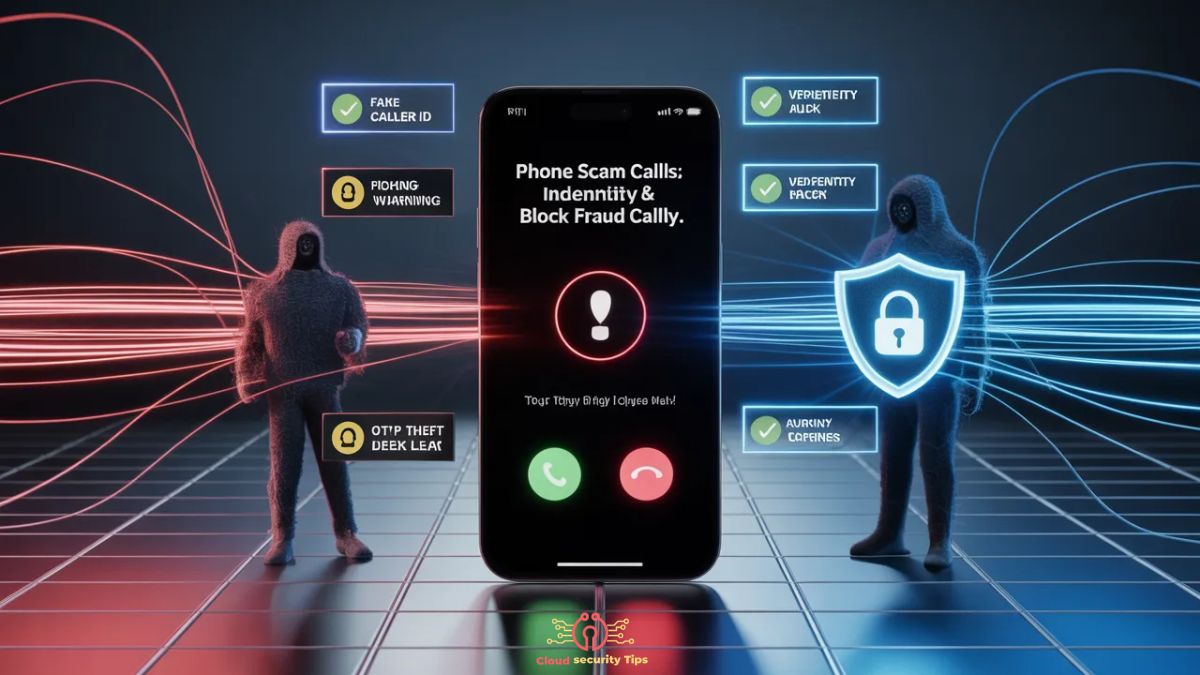
Phone scam calls are no longer random annoyances—they are part of a structured global fraud system powered by automation, data leaks, and social engineering. Millions of people every day receive suspicious calls claiming to be from banks, government offices, delivery companies, or tech support services.
The real issue is not just receiving these calls, but how convincing they have become. Modern scammers no longer rely on weak tricks; instead, they use caller ID spoofing, real leaked data, and psychological pressure tactics to manipulate victims into sharing sensitive information.
This guide breaks down everything you need to understand about scam phone calls, how they work, why they happen, how to detect them early, and most importantly how to protect your personal and financial identity in a world where phone fraud is becoming increasingly advanced.
Why Unknown and Spam Calls Keep Increasing
If you are wondering why unknown numbers keep calling you, the answer lies in data exposure and automated dialing systems.
Scammers usually obtain phone numbers from multiple sources including leaked databases, online forms, social media scraping, and hacked services. Once your number enters these systems, it becomes part of automated calling networks that continuously test numbers for activity.
Another major reason is robocall technology. These systems can dial thousands of numbers per minute without human intervention. When a call is answered, the system either routes it to a scam operator or plays a recorded message designed to create urgency and pressure.
This explains why spam calls often increase suddenly without any obvious reason. It is usually linked to a new data leak or your number being added to a fresh calling database.
How Scam Calls Actually Work Behind the Scenes
Most people assume scam calls are simple fraud attempts, but in reality they operate like structured businesses.
At the core, scammers rely on three main systems: caller ID manipulation, psychological scripting, and data targeting.
Caller ID spoofing allows them to display fake numbers that appear local or official. This increases trust and makes the victim more likely to answer.
Once the call is answered, trained scripts are used. These scripts are designed to create urgency, fear, or curiosity. For example, telling you your bank account has been blocked or that a suspicious transaction has been detected.
The goal is never casual conversation. The goal is controlled emotional pressure that leads to fast decisions without verification.
How to Identify a Scam Phone Call Before It Traps You
Detecting scam calls is not always easy, but there are behavioral patterns that remain consistent.
Scam calls deliberately manufacture urgency to bypass your logic and force instant, unverified decisions.. They may claim immediate action is required or threaten account suspension. Legitimate organizations never operate in this way.
Another common sign is requests for sensitive data such as OTP codes, passwords, or banking details. No real bank or service provider will ever ask for such information over a call.
In many cases, scam callers also avoid direct verification. When asked to call back official numbers, they try to prevent you from disconnecting or becoming suspicious.
If a call feels emotionally pressured, unusually urgent, or information-heavy without verification, it should be treated as potentially fraudulent.
What to Do Immediately If You Receive a Scam Call
The moment you suspect a scam call, your response matters more than anything else.
The first action should always be to disconnect without engaging in further conversation. Every second spent on the call increases the risk of manipulation.
After disconnecting, avoid calling back the same number. Instead, independently verify the official contact details of the organization the caller claimed to represent.
If the scam involves banking or financial claims, immediately check your account directly through official apps or websites rather than trusting verbal instructions from the call.
It is also important to document the number and report it through appropriate channels so that patterns can be tracked and blocked in the future.
How Scammers Steal Money Through Phone Calls
Financial fraud through phone calls usually follows a predictable process.
The scammer first builds trust by pretending to represent a known institution. Once trust is established, they introduce a problem such as unauthorized transactions or account suspension.
The victim is then guided into “verification steps,” which actually involve sharing sensitive credentials.In some cases, scammers trick users into installing remote access apps or sharing OTP codes to gain control over accounts.
Once this information is obtained, unauthorized transactions are completed within minutes. By the time the victim realizes what has happened, the funds are often already transferred through multiple layers to avoid tracking.
Bank Account and OTP Scam Prevention Strategy
One of the most important protections against phone scams is understanding OTP safety.
OTP codes are designed as final authorization keys. OTP Codes Must Never Be Shared Under Any Circumstances for Security
Banks and payment platforms already operate with internal verification systems, which means they do not require OTP confirmation through phone calls.
The safest approach is to treat any OTP request received via call as an immediate fraud attempt. Even if the caller appears legitimate, the risk of manipulation is too high to ignore.
How to Permanently Block Spam and Scam Phone Numbers Effectively
Modern smartphones already include built-in spam protection systems, but they must be properly configured.
Blocking unknown international numbers can significantly reduce exposure to scam calls, especially from automated systems.
Additionally, enabling spam detection features allows your device to identify suspicious calling patterns before you even answer.
However, technical blocking alone is not enough. The real protection comes from behavioral discipline—never engaging with unknown callers and never sharing personal data over calls.
SIM Swap Fraud and Phone Number Security Risks
One of the most dangerous modern threats is SIM swap fraud.
In this attack, scammers attempt to take control of your phone number by convincing mobile operators to transfer your SIM identity to a new device.
Once successful, they can receive OTP codes, reset passwords, and access financial accounts linked to your number.
Preventing this requires strong verification settings with your mobile provider and avoiding unnecessary exposure of personal identity information online.
WhatsApp and Messaging-Based Scam Attacks
Phone scams are no longer limited to calls. Messaging apps like WhatsApp are now increasingly targeted by scammers.
Scammers often send links pretending to be delivery updates, prize notifications, or account alerts.
Clicking these links can lead to phishing websites designed to steal login credentials or install malware.
Securing messaging apps requires disabling unknown media downloads, avoiding suspicious links, and enabling two-step verification.
How to Report Scam Phone Numbers
Reporting scam calls is an important part of reducing their spread.
In many regions, telecom authorities provide systems to report spam numbers. In USA, users can report suspicious calls through mobile operator complaint systems or national cybersecurity reporting channels.
The more reports a number receives, the higher the chance it gets flagged and blocked across networks.
Why Scam Calls Are Increasing in USA and Globally
The rise in scam calls is linked to increasing digital dependency and weak data protection systems.
As more services move online, more personal data is stored in databases that are often not fully secure.
This data becomes a target for hackers and is later sold on underground markets where scam operators purchase contact lists.
This is why users globally are experiencing a sudden increase in spam and fraud calls without any direct action from their side.
Future of Scam Calls
Scam systems are becoming more advanced with the use of AI voice cloning and automated conversational bots.
In the future, scam calls may sound completely human, making detection even harder.
This means awareness will become more important than technology alone. Users will need to rely on behavioral detection rather than voice recognition or caller ID trust.
Continuous updates in fraud techniques will require continuous education and awareness to stay protected.
Future Updates Section
This topic will evolve over time. New scam techniques, new fraud patterns, and new protection systems will continue to emerge.
Future updates in this article will cover:
- New banking scam patterns
- AI-based voice scam detection
- Updated spam blocking technologies
- Regional scam trends and alerts
- Emerging digital fraud methods
This ensures the content remains relevant and continues ranking long-term.
Conclusion
Phone scam protection is not about blocking numbers alone—it is about understanding behavior.
Scammers rely on urgency, fear, and trust manipulation. Once you recognize these patterns, most scams lose their power instantly.
The most effective defense is simple: never trust unsolicited calls, never share sensitive information, and always verify independently.
In a digital world where fraud systems are evolving constantly, awareness is your strongest protection.
FAQs
1. What are phone scam calls?
Phone scam calls are fraudulent calls designed to trick people into sharing personal or financial information like OTPs, passwords, or bank details.
2. How can I identify a scam phone call?
Look for urgency, requests for sensitive data, and callers refusing verification or official callback methods.
3. What should I do if I receive a scam call?
Disconnect immediately, do not share any information, and verify the claim directly through official sources.
4. Can scammers steal money through phone calls?
Yes. If you share OTPs or banking details, scammers can access your accounts and transfer money quickly.
5. How can I protect myself from scam calls?
Never share personal details on calls, block unknown numbers, enable spam filters, and always verify independently.