
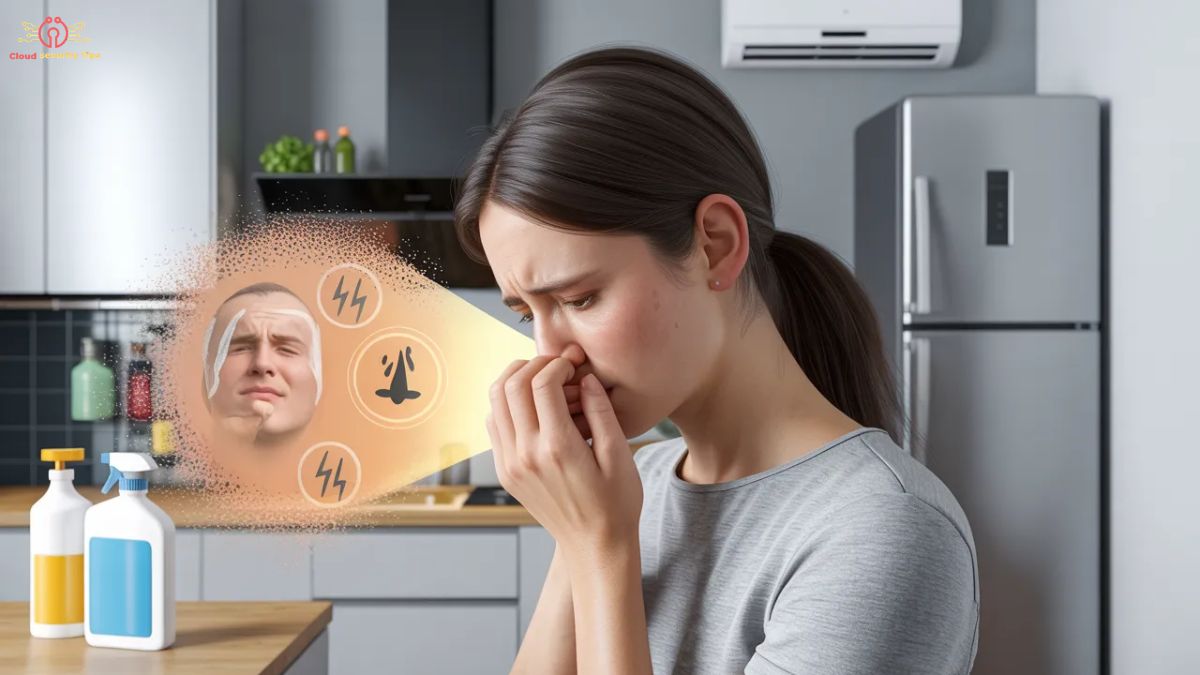
Ammonia is one of the strongest and most recognizable chemical odors found in homes, workplaces, and industrial environments. The smell is sharp, irritating, and difficult to ignore, which is why most people notice it immediately. Many compare ammonia to strong cleaning chemicals, cat urine, or industrial disinfectants because of its harsh chemical scent.
Understanding what ammonia smells like is important because the odor often acts as an early warning sign of chemical leaks, poor ventilation, plumbing issues, or dangerous air quality conditions. In some situations, exposure to high ammonia levels can cause breathing problems, eye irritation, and serious respiratory complications. Knowing how to identify ammonia odors and respond safely can help prevent health risks and protect indoor air quality.
What Does Ammonia Smell Like?
Ammonia has a strong chemical smell that feels sharp and unpleasant. Unlike normal household odors, ammonia creates a burning or stinging sensation in the nose almost instantly. Many people describe the scent as similar to concentrated urine, strong window cleaners, or industrial cleaning products.
Even small amounts of ammonia gas can become noticeable because the human body is highly sensitive to it. In enclosed spaces with poor ventilation, the smell often becomes much stronger and more irritating. Bathrooms, kitchens, basements, refrigerators, laundry rooms, and pet areas are common places where ammonia odors may develop indoors.
In industrial settings, ammonia odors are frequently associated with refrigeration systems, fertilizer manufacturing, chemical processing plants, and food production facilities. Because ammonia spreads rapidly through the air, the smell acts as a warning signal that encourages people to move away from potentially harmful exposure.
Why Ammonia Smells So Strong
Ammonia is made from nitrogen and hydrogen, creating a highly reactive chemical compound that easily irritates moisture-sensitive areas of the body. When ammonia enters the air, it reacts quickly with the eyes, nose, throat, and lungs, which is why people often experience discomfort within seconds of exposure.
Heat, humidity, bacteria buildup, and poor airflow can intensify ammonia odors. In homes, the odor can gradually intensify over time when the underlying cause is left untreated, often signaling worsening contamination, hidden leaks, or ongoing bacterial buildup. Warm indoor environments and damp areas often make ammonia odors more noticeable because airborne particles spread more easily in humid conditions.
Many people underestimate ammonia exposure because it is commonly found in household cleaning products. However, concentrated ammonia fumes can become dangerous very quickly, especially in enclosed areas with limited ventilation.
Common Causes of Ammonia Smell in Homes
One of the most common causes of ammonia odor indoors is pet urine. Cat urine especially releases strong ammonia compounds as bacteria break down waste over time. Carpets, mattresses, upholstery, and flooring can absorb these odors deeply, making them difficult to remove completely.
Cleaning products are another major source of ammonia smell. Many household cleaners contain ammonia because it effectively removes grease and stains. Problems become dangerous when ammonia-based products are mixed with bleach, creating toxic chloramine gases that can severely damage the respiratory system.
Plumbing issues may also create ammonia-like odors inside homes. Dry drains, sewer gas leaks, clogged pipes, or bacterial growth inside drainage systems can produce smells that resemble ammonia or strong urine. Bathrooms and kitchens are common locations for these problems.
Older refrigerators and air conditioning systems sometimes release ammonia odors when cooling systems malfunction or internal leaks develop. If a strong ammonia-like chemical odor suddenly develops near refrigerators, air conditioners, or other household appliances, immediate inspection is critical because hidden gas leaks, refrigerant failures, or electrical issues can quickly become serious health and safety hazards.
Why Does My Urine Smell Like Ammonia?
Urine may develop an ammonia-like odor because of dehydration, concentrated waste, dietary changes, or bacterial infections. When the body lacks enough water, urine becomes more concentrated, causing ammonia compounds to smell stronger than usual.
Certain medical conditions, including urinary tract infections, kidney disorders, and liver problems, may also contribute to persistent ammonia-smelling urine. High-protein diets and some vitamin supplements can increase ammonia odors as well.
If the smell continues for several days or appears alongside pain, fever, burning sensations, or unusual fatigue, medical evaluation is important because the odor may indicate an underlying health condition.
Health Effects of Ammonia Exposure
Exposure to ammonia affects people differently depending on concentration levels and exposure duration. Low levels may only cause mild irritation, while higher concentrations can become dangerous within minutes.
One of the earliest symptoms people notice is burning in the eyes and nose. This is often followed by coughing, throat irritation, watery eyes, headaches, dizziness, and chest tightness. According to industrial safety experts, prolonged exposure to concentrated ammonia fumes may severely irritate the respiratory system and damage lung tissue.
Children, older adults, and individuals with asthma or respiratory conditions are especially vulnerable because ammonia irritates airways rapidly. In industrial accidents involving ammonia leaks, emergency medical treatment is often necessary due to the risk of severe breathing complications.
Long-term ammonia exposure may contribute to chronic airway inflammation, recurring coughing, breathing discomfort, and reduced indoor air quality. This is why ventilation systems, leak prevention, and air monitoring are essential in facilities where ammonia is used regularly.
Ammonia Poisoning Symptoms
Ammonia poisoning can occur after exposure to high concentrations of ammonia gas in enclosed spaces or industrial environments. Symptoms often appear quickly because ammonia aggressively irritates moisture-sensitive tissues throughout the body.
Early symptoms may include burning eyes, nausea, coughing, throat irritation, dizziness, and headaches. More serious exposure can cause severe breathing problems, vomiting, chest pain, confusion, and lung damage. In extreme situations, concentrated ammonia inhalation may become life-threatening if treatment is delayed.
People working in agriculture, refrigeration plants, chemical manufacturing, and industrial cleaning operations face increased risks because ammonia is commonly used in these industries.
Signs of an Ammonia Leak You Should Never Ignore
Strong ammonia odors combined with physical symptoms may indicate a dangerous chemical leak. Burning eyes, coughing, throat irritation, headaches, chest tightness, and breathing difficulties are major warning signs that should never be ignored.
If the smell becomes overwhelming or spreads rapidly through a building, immediate action is necessary. Large ammonia leaks may create confusion, severe respiratory discomfort, panic-like symptoms, and dangerous indoor air conditions.
Industrial ammonia leaks are particularly dangerous because high concentrations can fill enclosed spaces rapidly. People should never attempt to investigate strong chemical odors without proper safety equipment or professional training.
Ignoring ammonia smells is a serious mistake because worsening odors often indicate hidden leaks, chemical buildup, or mechanical failures that may continue becoming more dangerous over time.
What to Do If You Smell Ammonia
If you detect a strong ammonia smell, improving ventilation should be the first priority. Opening windows and doors may help reduce ammonia concentration if the source is minor. However, if the odor becomes overpowering or causes physical symptoms, leaving the area immediately is the safest option.
People should never mix cleaning products while attempting to remove ammonia odors. Combining bleach with ammonia-based cleaners creates toxic chloramine gases that can seriously damage the lungs and eyes.
If the smell comes from appliances, industrial systems, air conditioners, or refrigeration equipment, professional assistance is necessary. Attempting repairs without proper knowledge may increase exposure risks and worsen chemical leaks.
Emergency services should be contacted immediately if breathing becomes difficult, symptoms worsen rapidly, or multiple people feel sick after exposure. Fast evacuation is critical during major ammonia leaks.
Why Does My Air Conditioner Smell Like Ammonia?
An ammonia smell coming from an air conditioner may indicate mold growth, clogged drainage systems, refrigerant leaks, dirty filters, or bacterial contamination inside HVAC components. Poor maintenance often allows moisture buildup, which can worsen odors over time.
If the smell becomes stronger while the system is running or causes headaches, eye irritation, or breathing discomfort, the HVAC system should be inspected immediately. Ignoring chemical odors from air conditioning systems may reduce indoor air quality and create health risks for occupants.
Routine maintenance, filter replacement, and proper ventilation can help reduce the chances of ammonia-like odors developing inside cooling systems.
How to Remove Ammonia Smell Safely
Removing ammonia odor starts with identifying the actual source. Many people try covering the smell with air fresheners, but this only hides the problem temporarily instead of solving it.
For pet-related odors, deep cleaning contaminated surfaces is essential. Enzyme-based cleaners are often effective because they break down odor-causing compounds rather than masking them. In severe cases, carpets or furniture may require replacement if ammonia has soaked deeply into materials.
If appliances are causing the smell, professional inspection is important because hidden leaks or bacterial buildup may continue producing odors until repaired properly.
Fresh airflow also plays a major role in odor removal. Proper ventilation helps dilute airborne ammonia particles and improves indoor air quality. Activated charcoal, baking soda, and air purification systems may help reduce lingering odors in enclosed spaces.
Ammonia vs Sulfur Smell
People often confuse ammonia smells with sulfur odors because both are unpleasant and powerful. However, the smells are very different.
Ammonia smells sharp, chemical-like, and similar to strong cleaners or concentrated urine. Sulfur smells more like rotten eggs, burnt matches, or decaying organic material.
Sulfur odors are commonly associated with sewer gas leaks, bacteria in drains, contaminated water systems, or natural gas issues. Ammonia odors are more often linked to cleaning products, pet urine, refrigeration systems, and industrial chemicals.
Learning the difference between these odors can help identify the source more accurately and reduce safety risks.
Can Ammonia Smell Be Dangerous During Pregnancy?
Pregnant women may become more sensitive to strong chemical odors, including ammonia fumes. High exposure to ammonia can irritate the respiratory system and may create additional health concerns in poorly ventilated environments.
Cleaning products containing ammonia should always be used carefully during pregnancy. Good ventilation, protective gloves, and avoiding direct inhalation can help reduce exposure risks.
Strong ammonia smells that cause dizziness, nausea, headaches, or breathing discomfort should never be ignored during pregnancy. Medical advice may be necessary if symptoms become severe or prolonged.
Can Ammonia Smell Be Linked to Medical Problems?
In some cases, ammonia-like odors may be connected to medical conditions. Certain kidney disorders, liver problems, dehydration, infections, and metabolic conditions can change body odor or breath.
For example, some people with kidney dysfunction develop ammonia-smelling breath because waste products accumulate in the bloodstream. Persistent unexplained ammonia odors from the body should not be ignored, especially when accompanied by swelling, nausea, confusion, or fatigue.
Medical evaluation is important if ammonia-like odors continue without any obvious environmental cause.
Can Ammonia Explode or Catch Fire?
Ammonia is not highly flammable under normal conditions, but in enclosed spaces and certain concentrations, ammonia gas may become combustible. Industrial facilities that store or process large amounts of ammonia follow strict safety procedures to prevent chemical accidents, explosions, and pressure buildup.
Although household ammonia products rarely create major fire hazards by themselves, improper chemical mixing can cause dangerous reactions. This is another reason ammonia should never be combined with bleach or other cleaning chemicals.
Future of Ammonia Detection and Safety
Modern ammonia safety technology continues improving rapidly. Industrial facilities now use advanced gas detection systems capable of identifying ammonia leaks before concentrations become dangerous. Smart monitoring systems can automatically trigger alarms and ventilation systems during emergencies.
Future technologies may include AI-powered air quality monitoring, improved home gas detection systems, safer refrigeration technology, and stronger industrial safety regulations designed to reduce chemical exposure risks.
As awareness of indoor air quality continues growing, ammonia monitoring and prevention systems will likely become more common in both residential and commercial environments.
Conclusion
Ammonia has a strong chemical smell that should never be ignored. Whether the odor comes from cleaning products, pet urine, plumbing systems, refrigeration equipment, or industrial chemicals, recognizing the smell early can help prevent serious health risks.
Although low exposure may only cause temporary irritation, strong ammonia odors can signal dangerous leaks, poor ventilation, or harmful indoor air conditions. Burning eyes, coughing, breathing problems, and throat irritation are important warning signs that require immediate attention.
Understanding what ammonia smells like, what causes it, and how to respond safely can help protect both health and indoor air quality. If ammonia odors become overwhelming, persistent, or cause physical symptoms, professional inspection and proper safety measures are essential.
FAQs
What does ammonia smell like?
Ammonia smells sharp, chemical-like, and similar to strong cleaning products or urine.
Is smelling ammonia dangerous?
Low exposure may cause mild irritation, while high concentrations can harm the lungs and eyes.
Why does my house smell like ammonia?
Common causes include pet urine, cleaning products, plumbing issues, or appliance leaks.
Can ammonia smell make you sick?
Yes, ammonia exposure may cause coughing, headaches, throat irritation, and breathing problems.
READ FOR MORE : https://cloudsecuritytips.org/2026/04/22/plor4d85-pot-benefits/